
Organic Marketing vs. Paid Advertising: Understanding the Differences
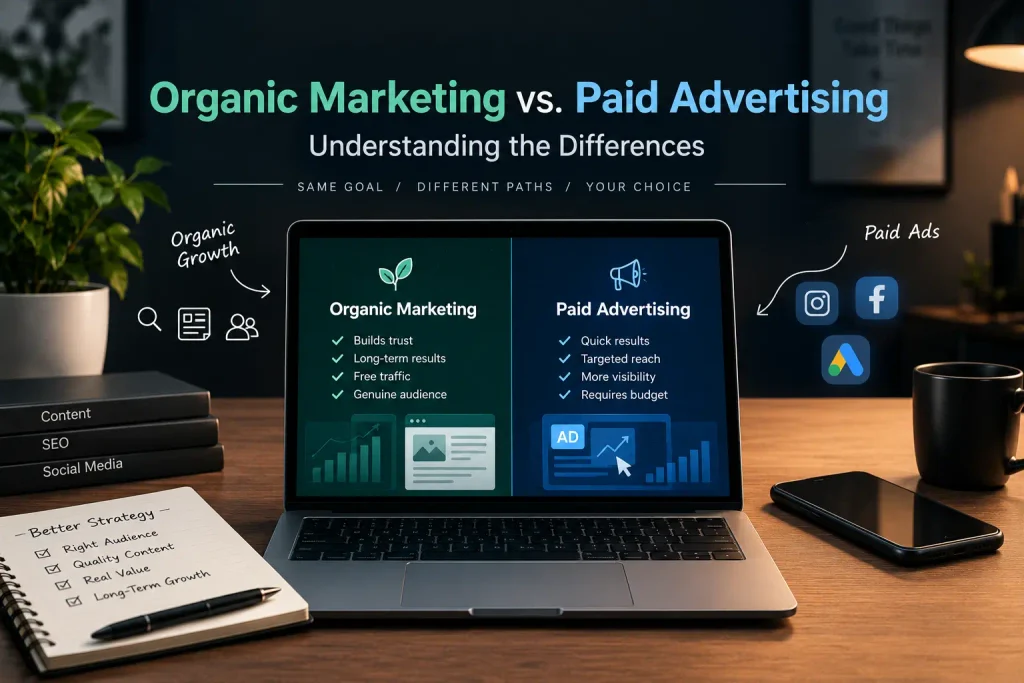
Marketing plays an important role in how a business attracts customers, builds its reputation, and grows in a competitive market. Today, businesses have many ways to promote their products and services, but two approaches stand out: organic marketing and paid advertising.
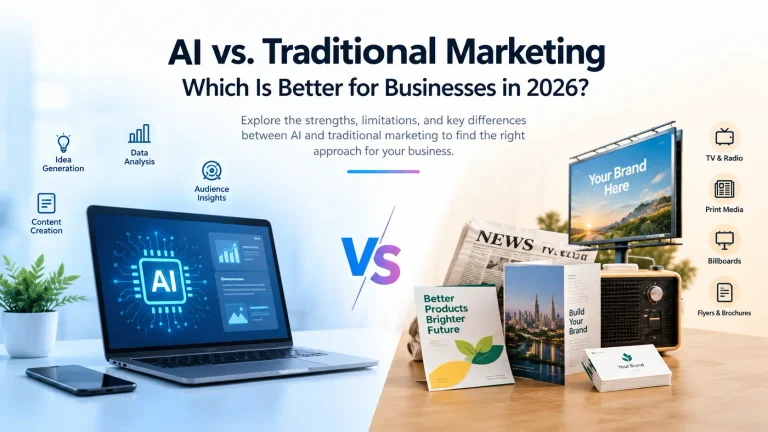
Both strategies can help a business reach its target audience, but they work in different ways. Organic marketing focuses on attracting people naturally through valuable content, search engines, and social media, while paid advertising involves investing money to promote products or services to a selected audience.
Having used both approaches while working with a clothing brand, I have come to understand that marketing is not simply about reaching more people. It is also about attracting the right customers, maintaining product quality, and making smart decisions about where to invest money.
What Is Organic Marketing and How Does It Work?
Organic marketing is a way of promoting a business without directly paying for advertisements or sponsored placements. It involves creating content, building an audience, improving search visibility, and developing relationships with potential customers over time.
For example, a clothing brand can share product photographs, publish styling ideas, post useful information, and interact with people on social media. A website can also attract visitors through search engine optimization (SEO), informative blog articles, and relevant content.
One thing I appreciate about organic marketing is that it can attract customers who are genuinely interested in what a business offers. When people discover a product through content they enjoy or information they are actively searching for, their interest may come from a real need or preference rather than simply seeing an advertisement.
However, organic marketing requires patience and consistent effort. Publishing a few social media posts does not guarantee engagement, website traffic, or sales. Businesses need to understand their audiences, improve their content, and give people reasons to keep coming back.
For a new business with a limited budget, organic marketing can be a practical starting point because it allows the business to focus its money on other important areas, such as product quality and customer experience.
Understanding Paid Advertising
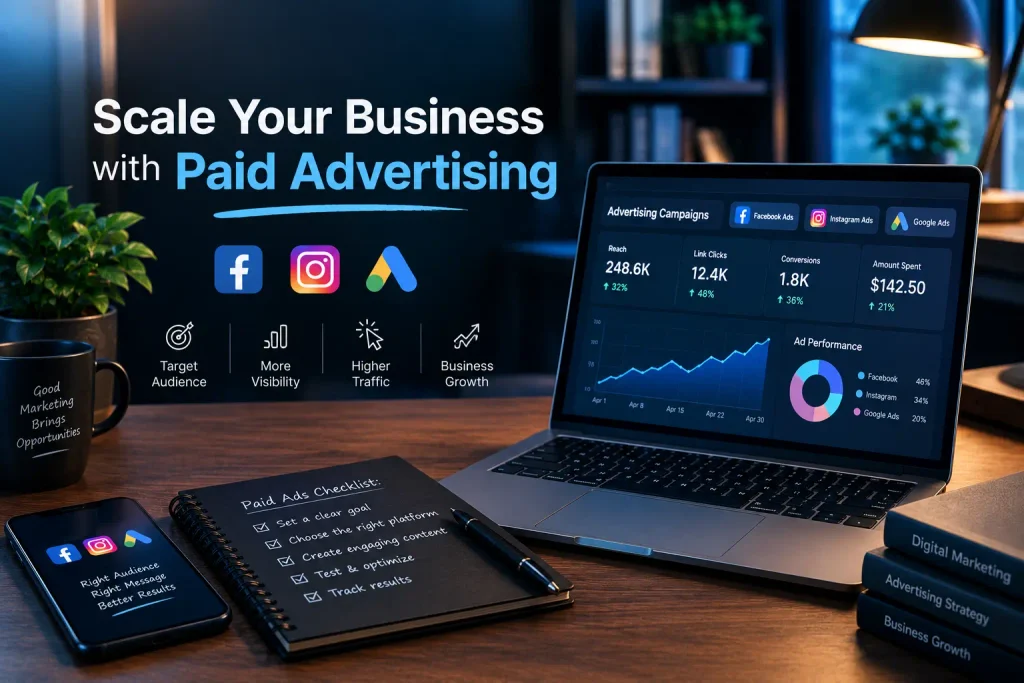
Unlike organic marketing, paid advertising involves spending money to promote content, products, or services. Businesses can use platforms such as Facebook, Instagram, and Google to reach audiences based on factors such as interests, search activity, demographics, and other targeting options.
I have also tried paid advertising through Facebook and Instagram. These platforms provide businesses with opportunities to present their products to people who might not otherwise discover them.
One major advantage of paid advertising is its ability to increase visibility within a relatively short period. A new clothing brand, for instance, can use a targeted campaign to introduce its products to a larger audience rather than waiting for its social media pages to grow naturally.
Paid advertising can also help businesses test different approaches. They can experiment with images, videos, headlines, audiences, and promotional messages to understand which combinations generate more interest.
However, there is a financial risk involved. Spending money on advertisements does not guarantee that people will become customers. A campaign may receive views, clicks, and engagement without producing actual sales. If a business invests without understanding its audience or monitoring its results, it can lose money without achieving its goals.
From my perspective, this is one of the biggest disadvantages of paid advertising, especially for businesses that cannot afford to waste their marketing budgets.
Organic Marketing vs. Paid Advertising: The Key Differences
Although both strategies aim to attract customers, their approaches and results can differ significantly.
1. Cost and Budget
Organic marketing generally requires less direct spending on promotion. Businesses can publish social media content, optimize their websites, and build relationships with audiences without paying for every view or interaction.
However, organic marketing is not entirely free. It takes time, effort, content creation, and sometimes investment in tools or professional services.
Paid advertising requires a dedicated budget. Businesses pay for exposure through advertising platforms, and their spending can increase as they seek to reach larger audiences or compete in more competitive markets.
For a beginner, the difference is particularly important. When financial resources are limited, spending heavily on advertising before establishing product quality and customer satisfaction can create unnecessary pressure.
2. Audience and Customer Interest
One of the biggest advantages of organic marketing, in my opinion, is the opportunity to attract people who genuinely like a product or are interested in a particular topic.
For example, someone who regularly follows a clothing page because they appreciate its designs may be more interested in its new collection than someone who has only seen a single advertisement.
Paid advertising, on the other hand, helps businesses reach people who may not already know about their products. This can introduce a brand to new audiences and create opportunities to turn initial attention into genuine interest.
However, neither approach guarantees that every person reached will become a customer. The real difference lies in how people discover a business and how that business develops their interest.
3. Speed and Visibility
Organic marketing usually takes time to produce meaningful results. A new website may need months of consistent SEO work and useful content before it starts attracting substantial search traffic. Similarly, growing a social media audience organically often requires regular publishing and interaction.
Paid advertising can generate visibility much faster. Once a campaign is approved and launched, a business can begin reaching its selected audience without waiting for its organic following to grow.
This makes paid advertising useful when a business wants to introduce a new product, promote a time-sensitive offer, or increase its visibility in a competitive market.
Still, faster visibility does not automatically mean better results. The quality of the campaign, the relevance of its audience, and the value of the product all influence whether that visibility leads to meaningful outcomes.
4. Long-Term Growth and Sustainability
Organic marketing can create lasting value when businesses consistently publish useful content and build relationships with their audiences. A well-written article can continue attracting visitors from search engines long after it is published. Similarly, an established social media community can provide ongoing opportunities to connect with interested people.
Paid advertising works differently. Its reach is generally tied to the advertising budget. When campaigns stop, the additional exposure they provide usually decreases as well.
However, I believe there is a point where organic marketing alone may not be enough. When a brand grows and wants to compete with established businesses at a larger level, paid advertising can become an important part of its expansion strategy.
Larger competitors may already have strong brand recognition, extensive audiences, and significant marketing resources. Paid campaigns can help a growing business reach new markets and compete for attention.
That does not mean organic marketing becomes useless. Instead, both approaches can support each other as a business develops.
Why I Would Choose Organic Marketing for a New Business
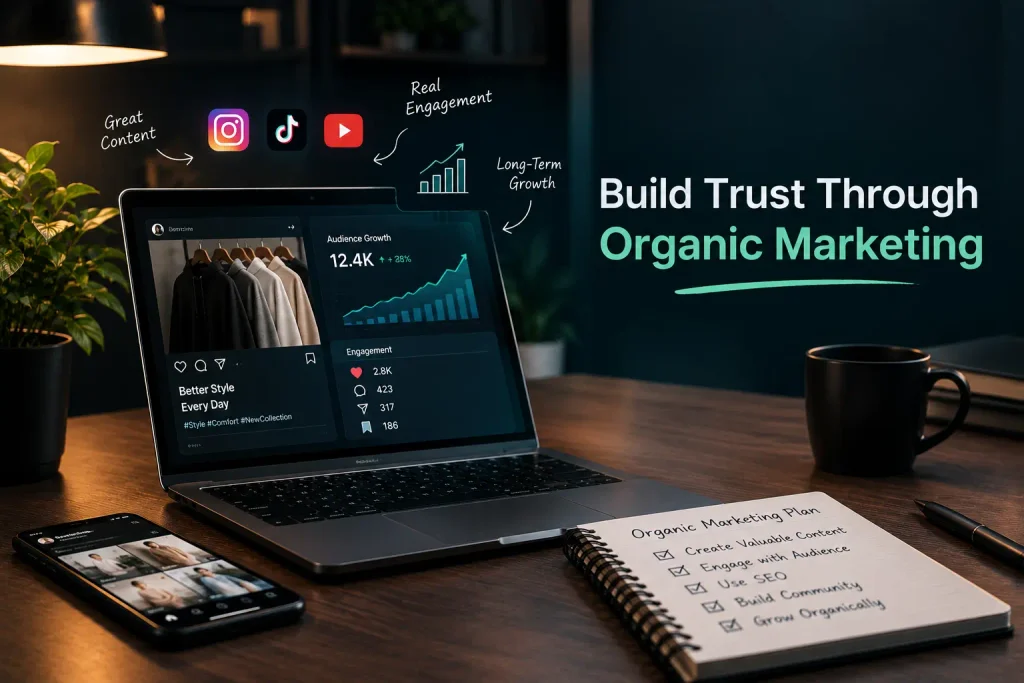
If I were starting a new business with a limited budget, I would initially focus on organic marketing rather than spending heavily on online advertising.
My reasoning is simple: I would prefer to invest my available money in areas that directly affect the quality of what I offer.
For example, a clothing business needs to pay attention to fabric, design, sizing, packaging, and customer satisfaction. No matter how attractive an advertisement looks, it cannot compensate for a poor-quality product or a disappointing customer experience.
I believe that customers ultimately judge a business by what they receive, not just by how effectively its products are promoted.
Organic marketing also gives a new business an opportunity to understand its audience. By observing comments, questions, engagement, and customer feedback, a business can learn what people like and what improvements might be necessary.
This information can be useful before investing in larger advertising campaigns.
However, choosing organic marketing first does not mean completely avoiding paid advertising. Once a business understands its audience, has established reliable products, and can afford promotional spending, paid advertising may become a sensible way to expand its reach.
Can Paid Advertising Attract Customers Without Building Trust?
An advertisement can encourage someone to visit a website, explore a product, or make a purchase. In fact, I have seen many advertisements and social media posts that successfully caught my attention and convinced me to visit a website or consider buying something.
This shows how powerful advertising can be when it presents the right message to the right audience.
However, attracting attention and building trust are two different things.
A person may click on an advertisement because of an attractive image, an interesting offer, or a product they have been looking for. But what happens after that visit is equally important.
If the website is confusing, the product descriptions are misleading, or the product quality does not meet expectations, the advertisement may generate traffic without creating long-term customers.
This is why businesses should not measure the success of their advertising campaigns only by views or clicks. They should also consider conversions, customer satisfaction, repeat purchases, and the actual return on their investment.
From my perspective, marketing should create interest, but the product and customer experience should give people a reason to stay.
Why Growing Brands May Need Both Strategies
When a business is small, its marketing priorities are often different from those of an established brand. A beginner may focus on introducing products, understanding customer preferences, and building a reputation with limited resources.
As the business grows, however, its goals may become more ambitious. It may want to reach new cities, enter different markets, compete with larger brands, or introduce additional product lines.
At that stage, relying exclusively on organic marketing may limit the speed or scale of its growth.
Paid advertising can help a business reach new audiences, promote specific products, and increase visibility in markets where it has little recognition. Meanwhile, organic marketing can continue supporting brand awareness, customer relationships, website traffic, and long-term visibility.
For example, a clothing brand could publish styling guides and product-related content organically while running paid campaigns to introduce a new collection to a carefully selected audience.
The two approaches can serve different purposes without competing against each other.
Nevertheless, using both strategies requires planning. A business should understand its objectives, monitor its spending, and make adjustments based on actual performance rather than assuming that more marketing automatically produces more sales.
My Advice for Beginners: Focus on Quality Before Quantity
If someone asked me how to start promoting a new website or business, my first advice would be to begin with what they are offering rather than immediately focusing on how many people they can reach.
In my opinion, quality should come before quantity.
A business can attract thousands of visitors through advertisements or social media content, but those numbers have limited value if the products or services fail to meet customer expectations.
Instead of trying to reach everyone from the beginning, beginners should focus on understanding their target audience, improving their products, creating useful content, and providing a positive customer experience.
They should also avoid comparing their early progress with established brands that have been investing in marketing for years.
Growth takes time, and not every strategy produces immediate results. Learning from customer feedback, understanding what works, and making gradual improvements can help a new business build a stronger foundation.
Once the business is ready to expand and has sufficient resources, paid advertising can become a useful tool for reaching a larger audience.
The important thing is to make marketing decisions according to the business’s actual needs rather than following trends without a clear purpose.
Final Thoughts
Organic marketing and paid advertising are two different approaches to promoting a business, and each has its own advantages and limitations.
Organic marketing offers opportunities to attract genuinely interested audiences, build relationships, and create lasting visibility without paying directly for every promotional interaction. Paid advertising, meanwhile, provides faster exposure, more direct audience targeting, and opportunities to expand into competitive markets, but it also comes with financial risks.
My experience with both approaches through a clothing brand has shaped how I view marketing. If I were starting again with a small budget, I would focus on organic marketing and invest more in product quality rather than immediately spending heavily on advertisements.
At the same time, I recognize that growing a brand and competing at a larger level may require paid advertising. Organic marketing can help establish a foundation, while paid campaigns can support expansion when the business is ready.
Ultimately, marketing is not just about choosing between organic and paid methods. It is about understanding your audience, offering genuine value, and deciding where your time and money can make the greatest difference.
A strong marketing strategy begins with quality, develops through consistency, and adapts as a business grows.